 Best For Joints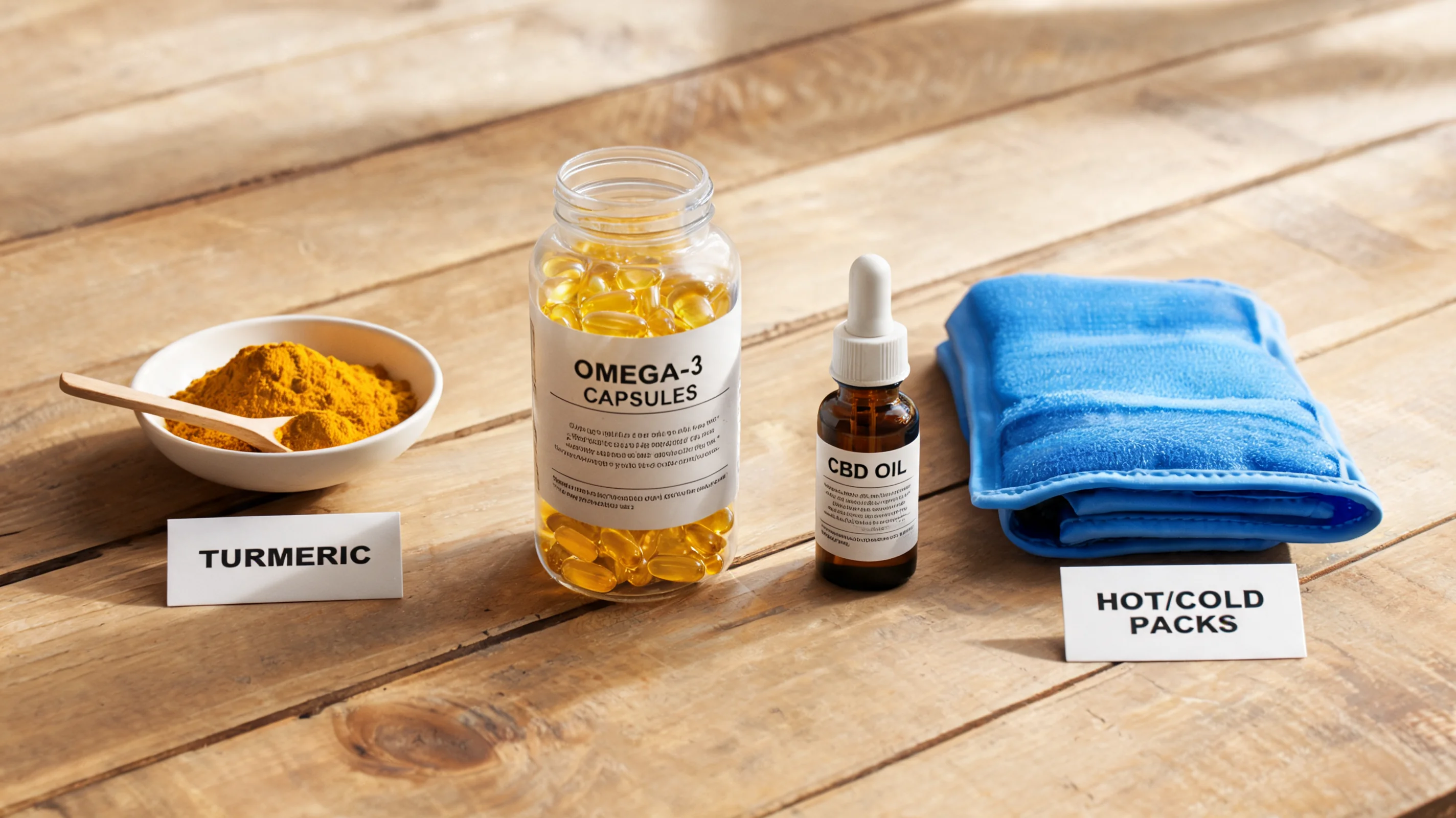
The supplement aisle for joint pain is a minefield. For every product backed by real research, there are a dozen that are not. I combed through the clinical literature and narrowed it down to the nine approaches that actually have peer-reviewed evidence supporting their use. Some are supplements, some are devices, some are lifestyle changes. All of them have data behind them.
Let me be clear upfront: none of these are cures. Arthritis is a chronic condition that requires medical management. But these nine approaches have real evidence for symptom relief and are generally safe additions to a medical treatment plan. Always discuss new supplements or devices with your doctor, especially if you take prescription medications.
Glucosamine + Chondroitin
The most extensively studied supplement combination for osteoarthritis. The GAIT trial (NIH-funded, 1,583 participants) found significant pain relief in the moderate-to-severe OA subgroup. Subsequent meta-analyses have been mixed, but the overall evidence supports use for knee and hip OA. Standard dose: glucosamine sulfate 1,500mg + chondroitin sulfate 1,200mg daily. Expect 4 to 8 weeks before noticeable effects.
See Performance Lab FlexOmega-3 Fatty Acids (EPA/DHA)
Multiple randomized controlled trials show omega-3s reduce morning stiffness duration and tender joint count in rheumatoid arthritis. The anti-inflammatory mechanism is well-established: EPA and DHA reduce prostaglandin synthesis and cytokine production. For OA, the evidence is less definitive but the cardiovascular benefits make omega-3 supplementation broadly sensible for this population. Aim for 2 to 4g combined EPA+DHA daily.
See High-Quality Joint SupplementsCBD Oil (Cannabidiol)
Preclinical studies show CBD reduces inflammation and pain signaling in joint tissue. Human trials are limited but survey data consistently shows high rates of reported pain relief. CBD appears to work through multiple pathways including CB2 receptor activation and TRPV1 modulation. Joy Organics and CBDmd both publish third-party Certificates of Analysis, which is essential for quality verification in this unregulated market.
See Joy Organics CBDTurmeric/Curcumin
Curcumin, the active compound in turmeric, has demonstrated anti-inflammatory effects in multiple OA trials. A 2019 meta-analysis of 8 RCTs found curcumin reduced pain and improved physical function comparably to NSAIDs. Bioavailability is the key variable: standard turmeric powder absorbs poorly. Look for formulations with piperine (black pepper extract) or phospholipid complexes (like Meriva) that significantly boost absorption.
See Performance Lab Flex (Contains Boswellia)Red Light Therapy (LLLT)
Low-level laser therapy and red/near-infrared light have been shown in multiple trials to reduce joint pain and inflammation. The Cochrane review on LLLT for rheumatoid arthritis found significant short-term improvements in pain, morning stiffness, and hand strength. Home devices like NovaaLab make this therapy accessible without clinic visits. The research is among the most robust in this list for device-based therapy.
See NovaaLab Red Light Devices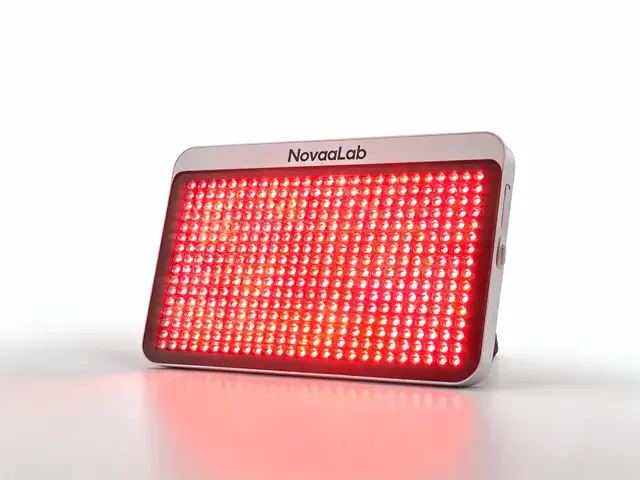
NovaaLab Red Light Therapy
FDA-cleared near-infrared and red light therapy for joint pain. At-home device with clinical-level wavelengths. Backed by the photobiomodulation research summarized above.
See NovaaLab Official SiteBoswellia (Indian Frankincense)
Boswellic acids, particularly AKBA, inhibit 5-LOX, an enzyme involved in leukotriene synthesis and joint inflammation. Multiple RCTs, including a 2014 trial in Phytomedicine, found Boswellia extracts comparable to ibuprofen for OA pain with a better tolerability profile. Look for standardized extracts with 30-65% boswellic acids. Performance Lab Flex includes a well-standardized Boswellia alongside glucosamine and chondroitin.
See Performance Lab FlexHeat Therapy (Moist Heat)
Moist heat dilates blood vessels, relaxes muscle spasm, and reduces joint stiffness by increasing tissue extensibility. Clinical guidelines from multiple rheumatology organizations list heat as a first-line self-management recommendation. The key distinction: dry heat (heating pads) is less effective than moist heat or infrared penetration. Therasage infrared devices penetrate 2 to 3 inches into tissue, reaching joint capsules that surface heat cannot.
See Therasage Infrared DevicesHydrotherapy (Aquatic Exercise)
Systematic reviews consistently show aquatic exercise reduces joint pain, improves function, and increases quality of life for OA patients. The buoyancy of water reduces joint loading by up to 90% at chest depth while still allowing therapeutic movement and muscle strengthening. This is not spa relaxation. Structured aquatic exercise programs, available through many hospital rehabilitation departments, deliver measurable outcomes.
See Joint Support SupplementsWeight Management
For every pound of body weight lost, knee joint loading decreases by 4 pounds. A 10-pound loss means 40 fewer pounds of force per step. The ADAPT trial found that a combined diet and exercise intervention produced significantly greater pain reduction than either intervention alone. This is listed ninth not because it is least important but because it is the hardest. The evidence for its impact on OA pain is among the strongest of anything on this list.
Start With a Quality SupplementWhat the Research Actually Supports: A Summary
Strongest evidence: glucosamine + chondroitin (for moderate-severe OA), omega-3s (for RA), low-level light therapy, weight management, aquatic exercise.
Good evidence with caveats: curcumin (bioavailability matters), Boswellia (standardization matters), heat therapy (moist/infrared beats dry).
Promising but limited human data: CBD (strong mechanism, limited RCTs).
The Supplement With the Most Combined Evidence
Performance Lab Flex combines glucosamine, chondroitin, and Boswellia in research-backed doses, plus added nutrients to support cartilage and connective tissue. It is the closest single product to covering multiple evidence-based bases.
See Performance Lab Flex